Pavilions
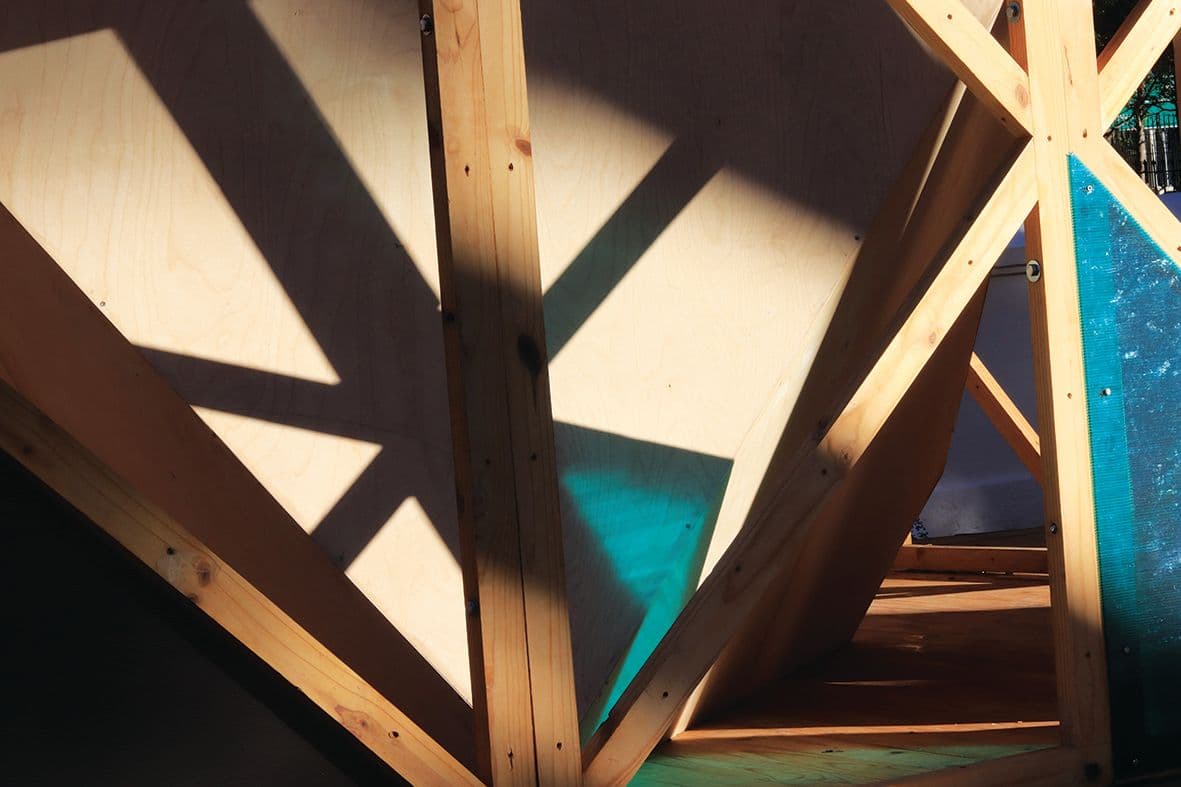
Pavilion Prototype 2: U406.
Pavilion Prototype 2: U406. Iziko Bertram House, Cape Town. (8 April 2023 to 30 February 2024)
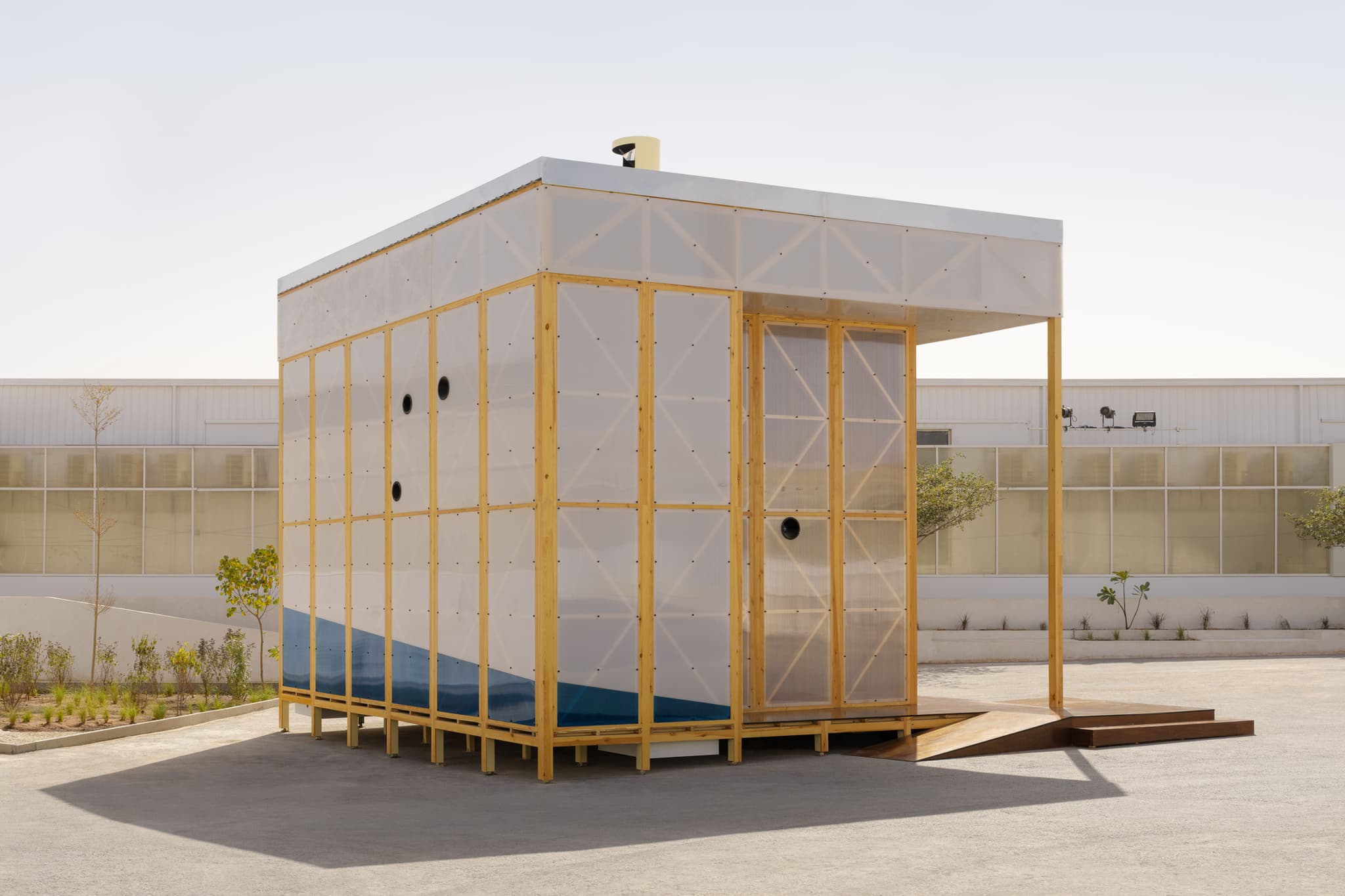
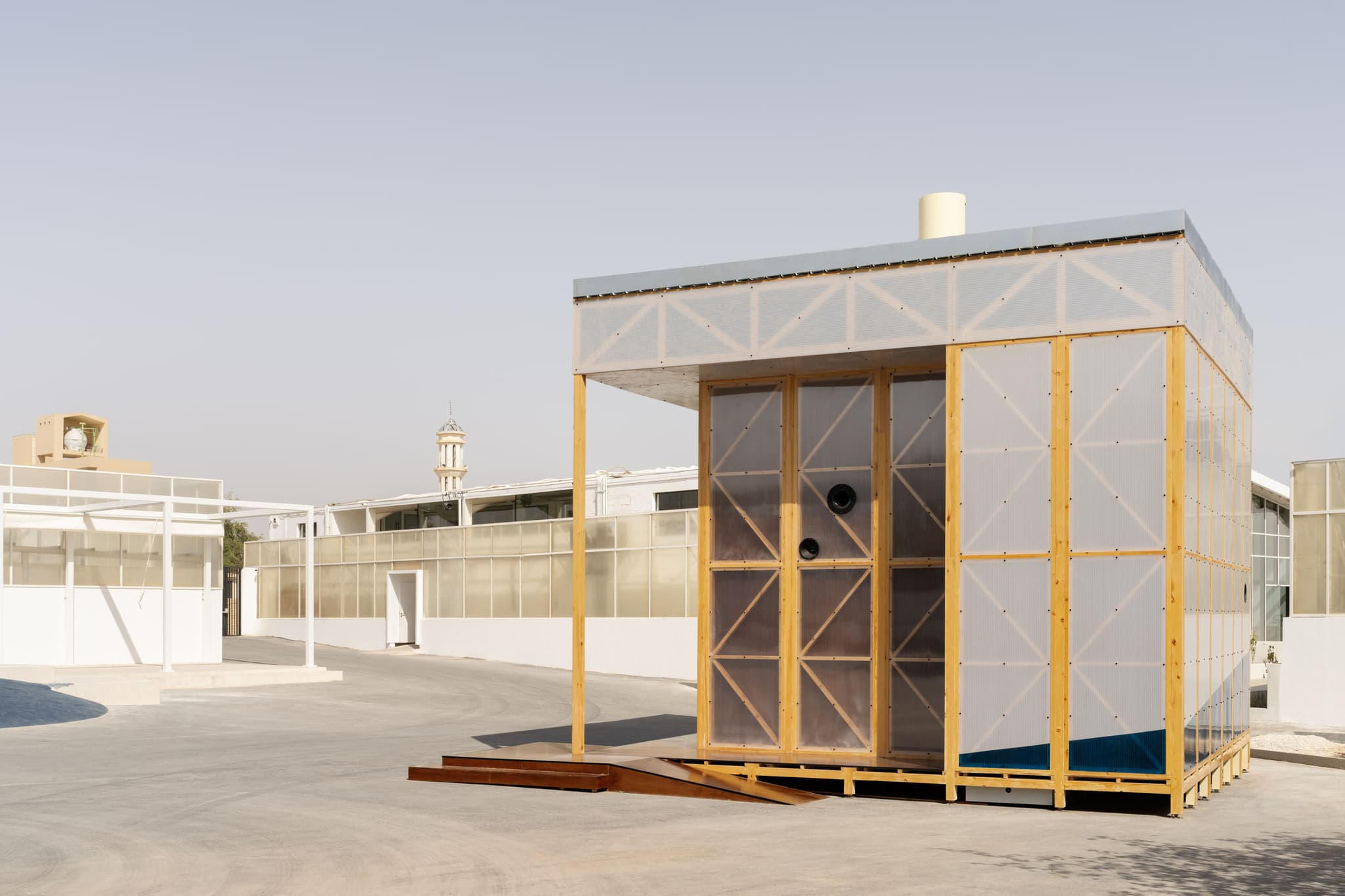
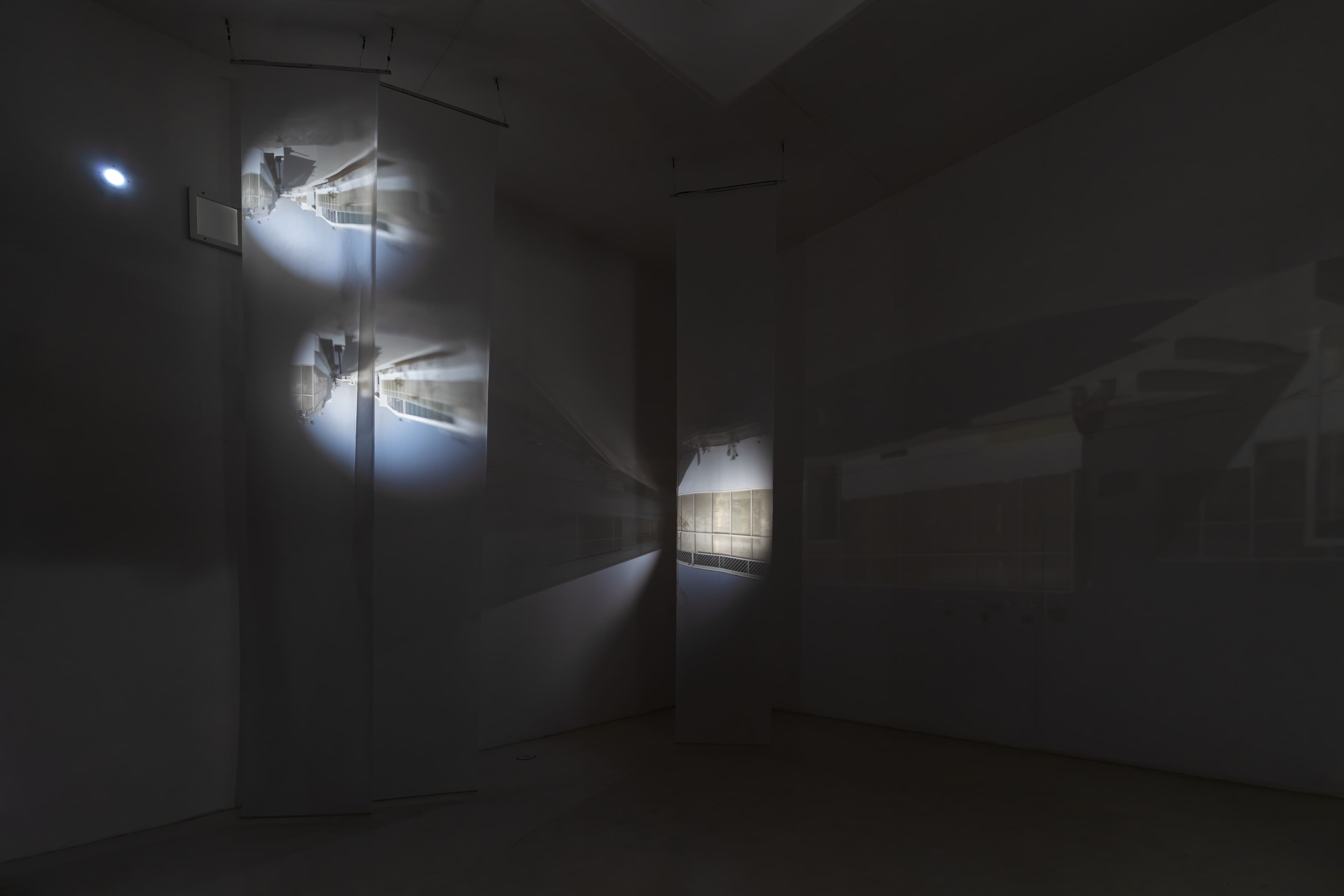
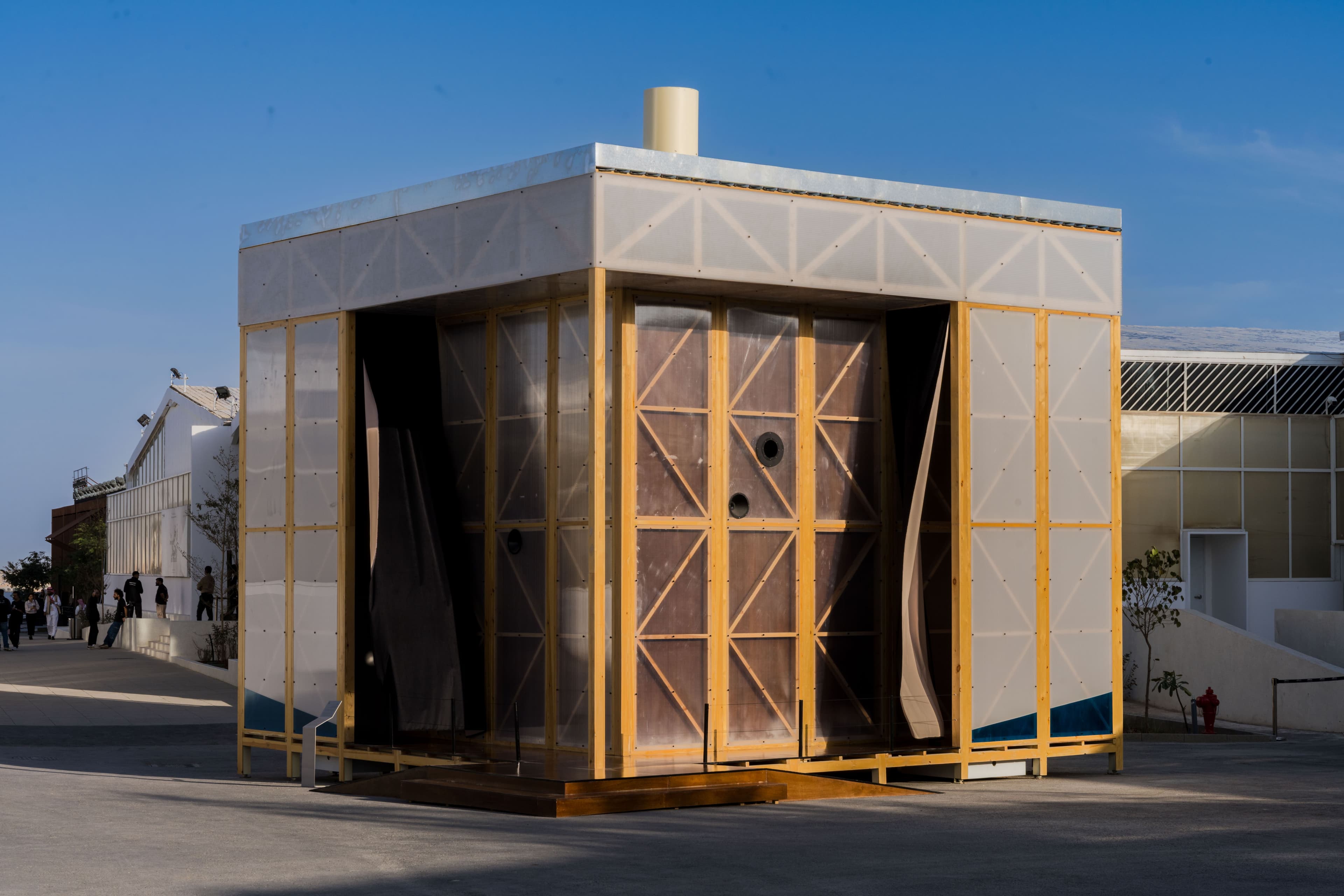
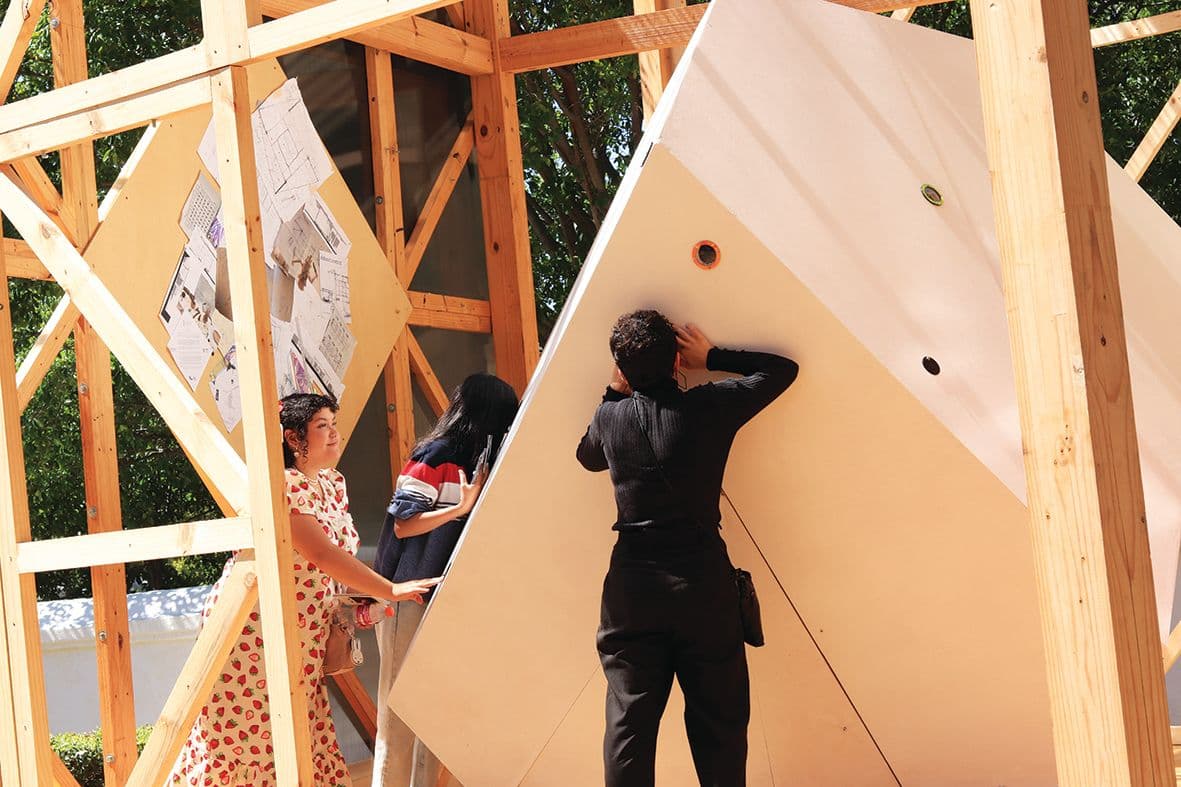
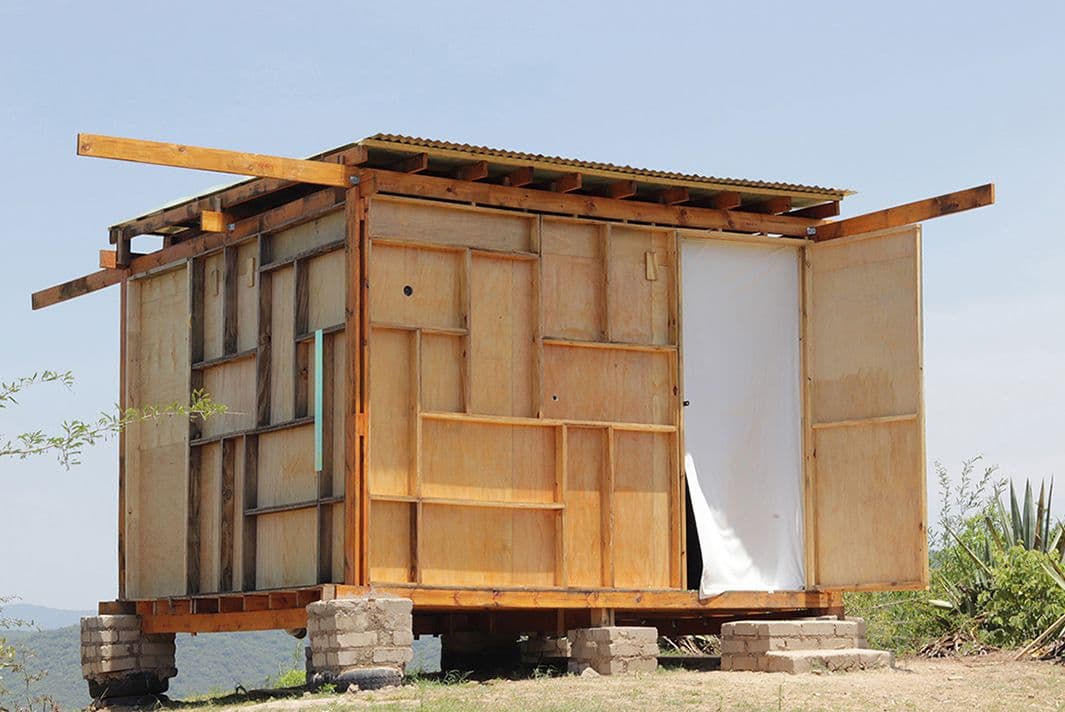
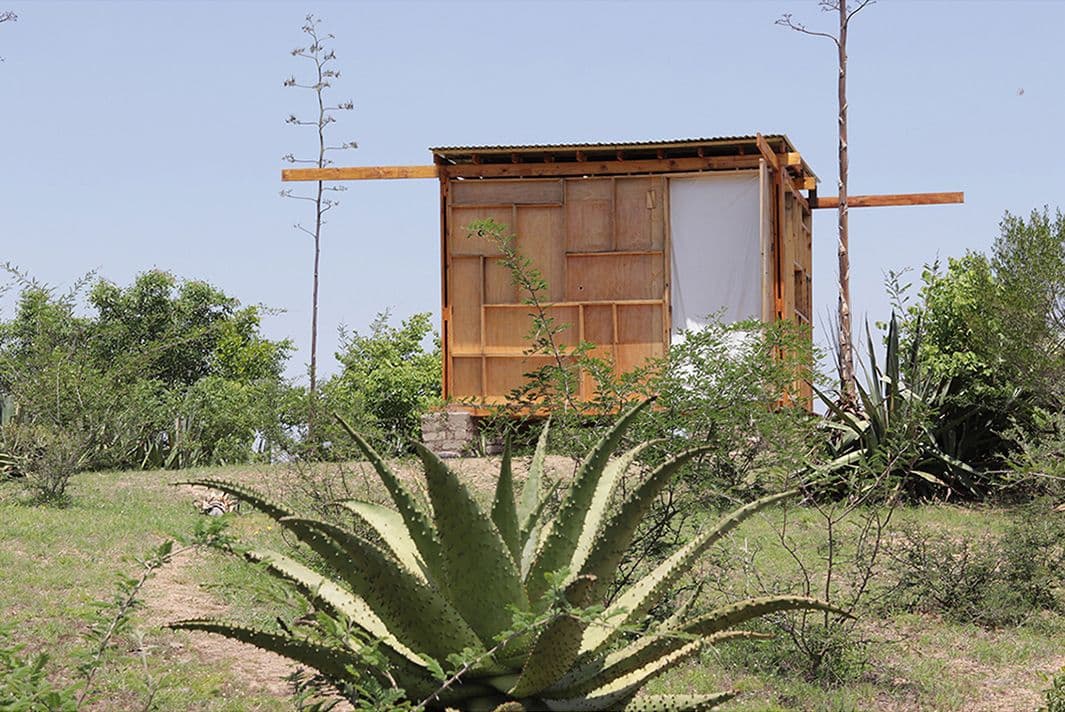
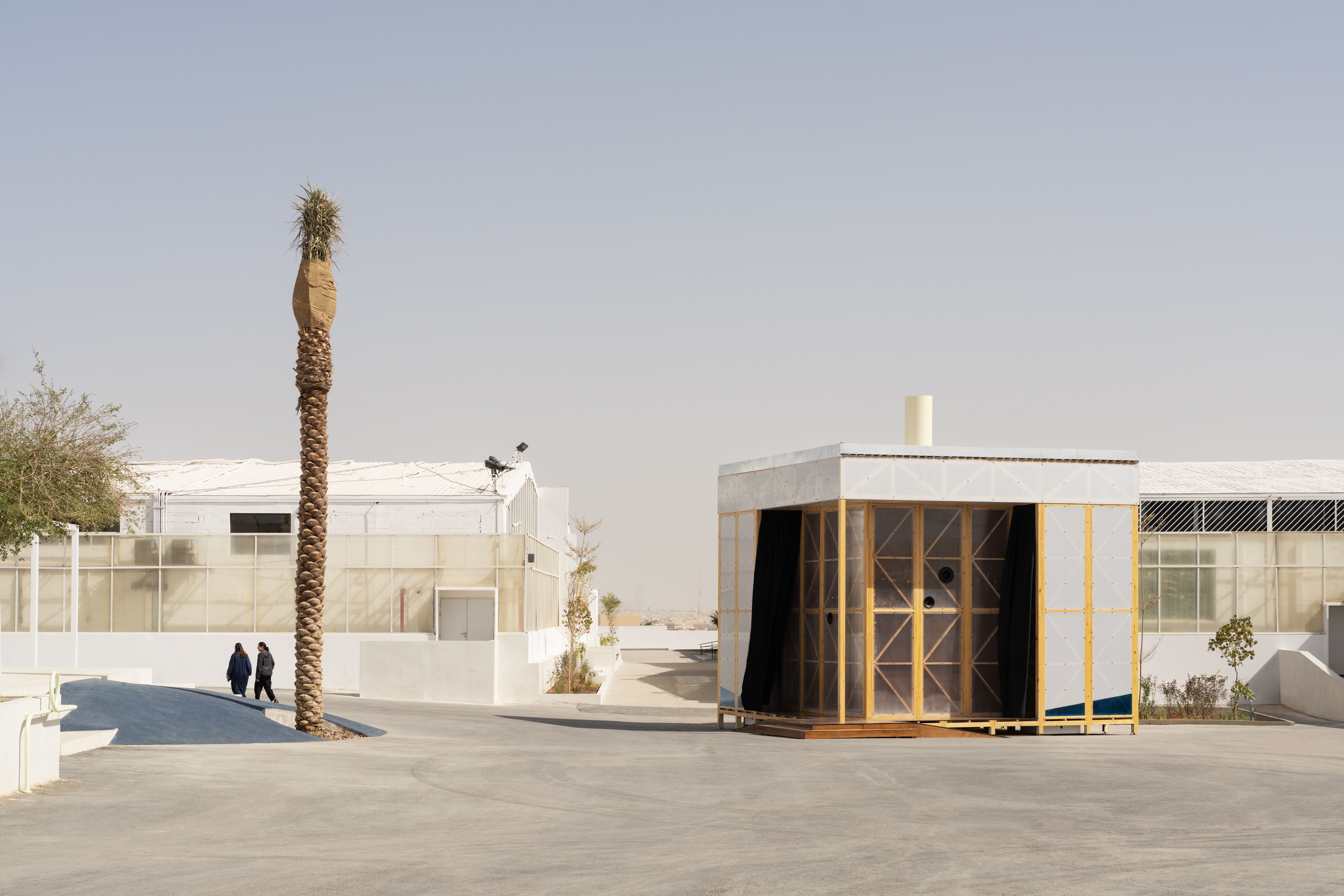
Pavilion Prototype: U406 confronts a persistent architectural dilemma: can we transform the colonial museum while remaining confined within the very buildings designed to marginalize us? Navigating rigid heritage laws and institutional stagnation, this site-specific intervention at the Iziko Bertram parking lot shifts focus away from standard institutional critique toward the radical act of physical construction. Anchored by a catalogued Msinsi tree, the timber structure evolves into a functional camera obscura. It serves as an open sanctuary for public pause, rehearsal, and spontaneous creative intervention.
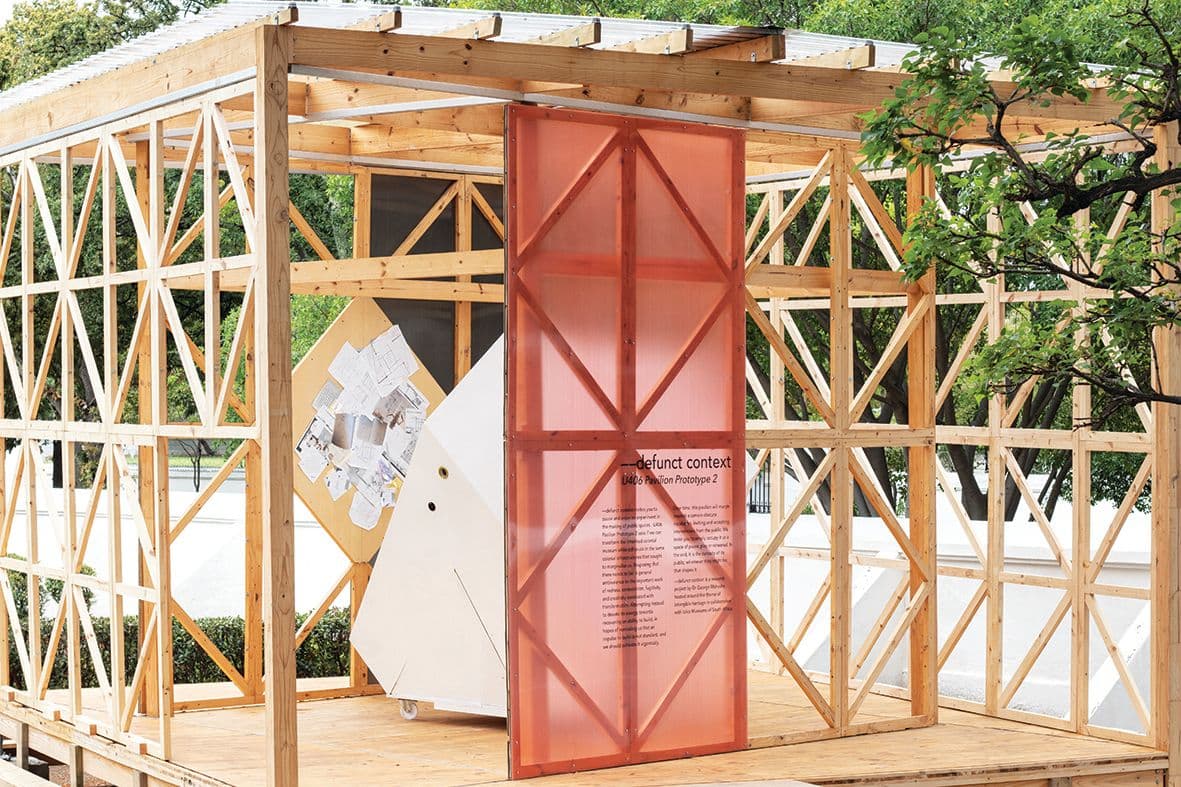
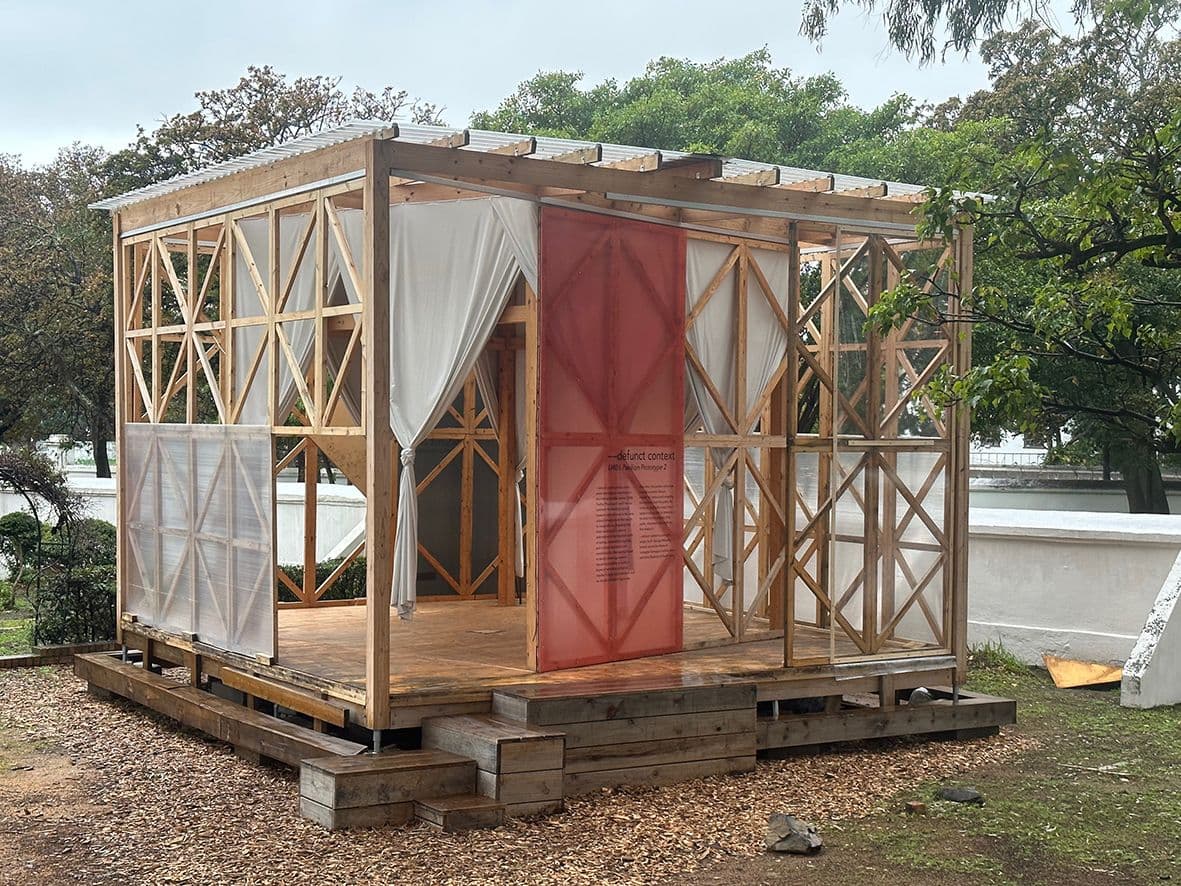
Can we transform the colonial museum while still stuck in the same old building that sought to marginalise us?This is an old question with many answers, ranging from a hard “No”, to the nostalgic “they are such lovely buildings” all the way to “it’s complex”. This question is particularly hard when one factors in heritage laws that essentially protect such buildings, and the reality that most of its budget is taken up by its upkeep.
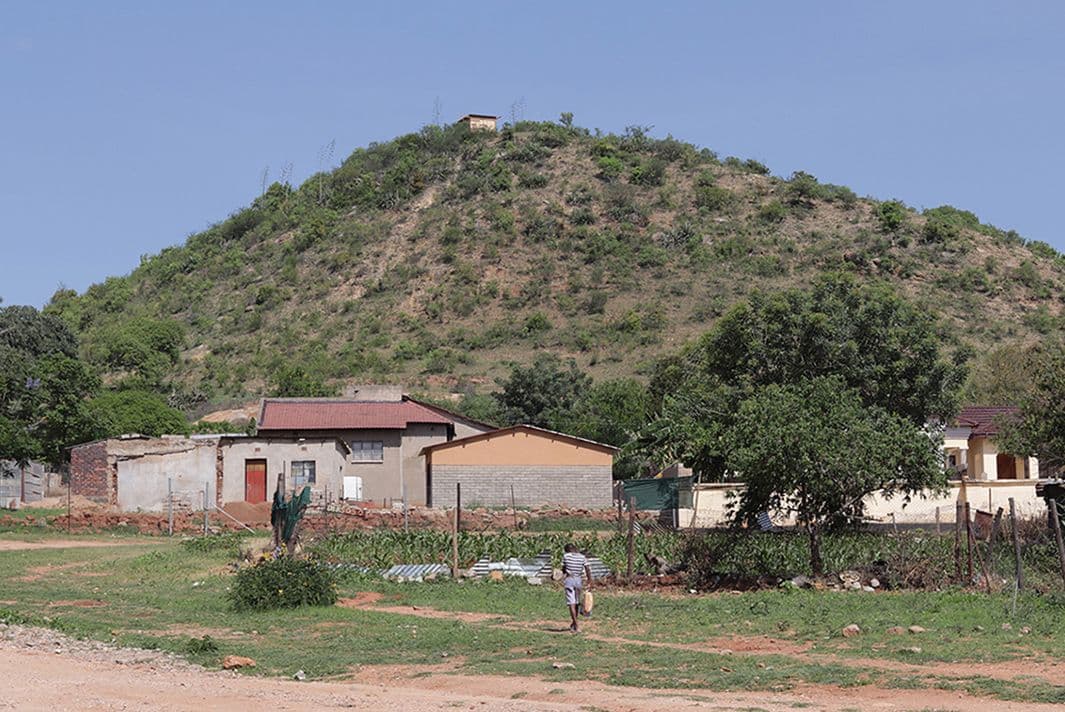
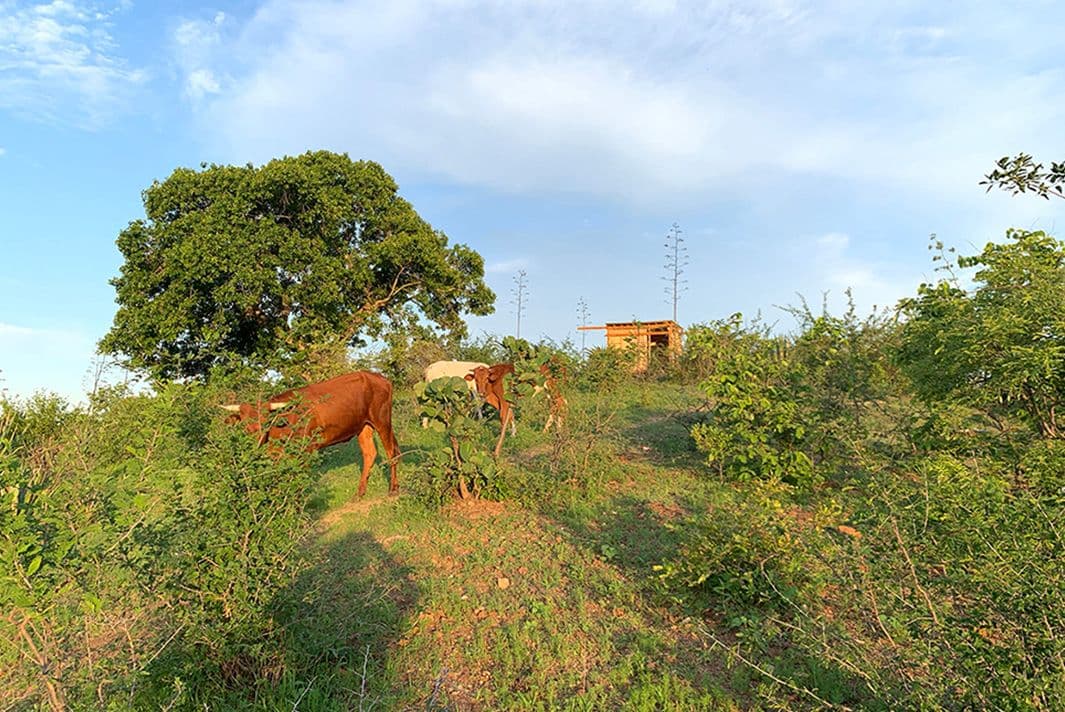
U406 , now at Iziko Bertram Parking lot, and its previous iterations like Thabana ya Dafida, proposes ambivalence to the important work of redress, contestation, fugitivity and creativity. It attempts instead to ask “what kind of space do I want?” and devotes its energy towards recovering an ability to build period. To recognise that it is only by building new buildings, that new types of expressions can flourish. —defunct context hopes to remind us that an impulse to build is not standard, and we should cultivate it vigorously.Taking advantage of art’s use of the format of a Pavilion; the ease of working timber; and the liminality of a parking lot. —defunct context takes the Msinsi tree, catalogued U406 as an anchor point, acknowledging its many associations, like new beginnings, fire, and more interestingly, a final resting place for dingaka.
Over the next months the pavilion will morph towards a camera obscura installation, inviting and accepting interventions. From simply occupying it as a space of pause, play or rehearsals; an artist studio and so forth. At the end it is the curiosity of its public, whoever they might be, that shapes it.
Thabana ya dafida
mafadi defunct
Courtesy of the Diriyah Biennale Foundation, photo Marco Cappelletti and Giuseppe Miotto