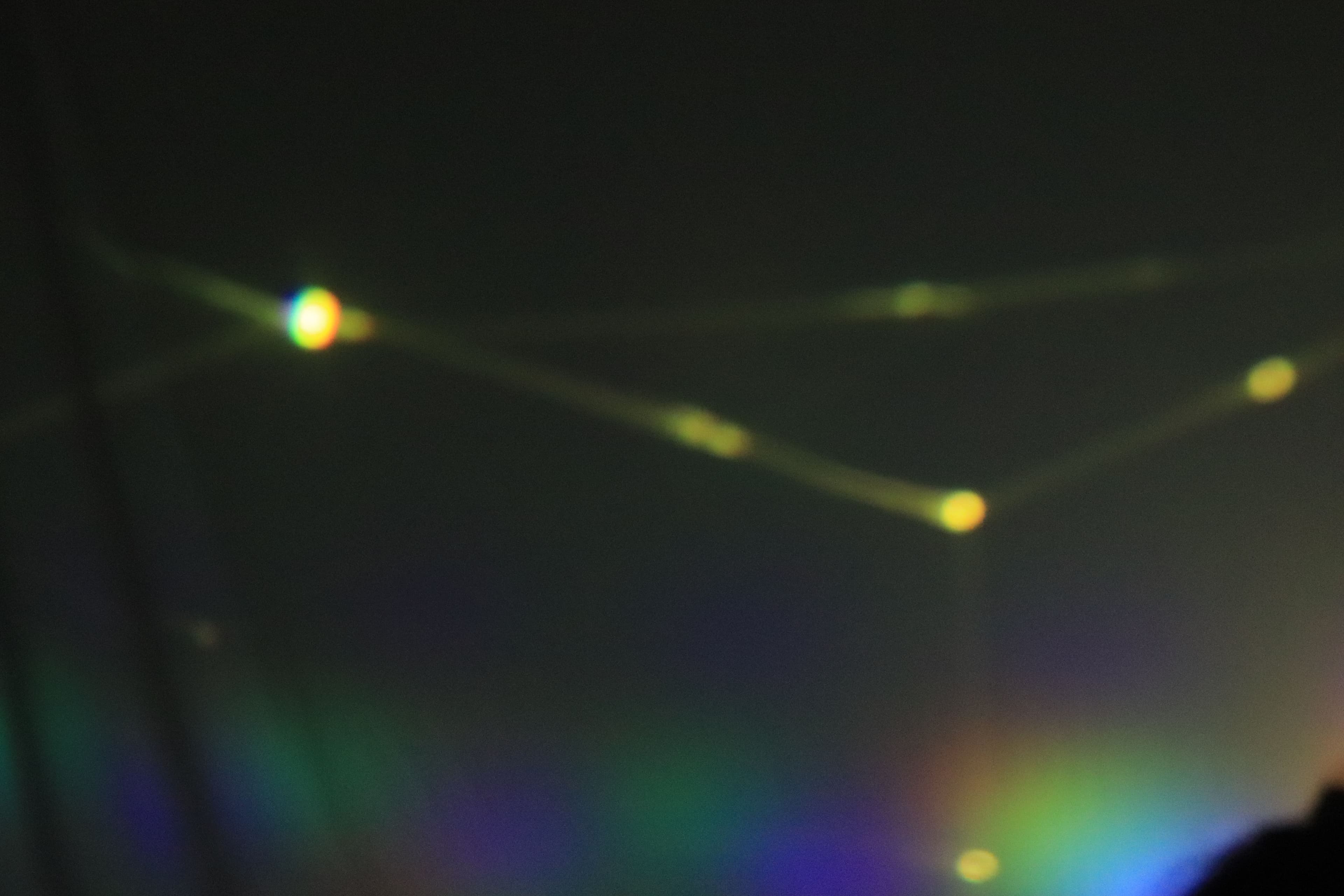
Programming
—defunct context is a research platform and curatorial strategy that explores how history, memory, and ancestral knowledge are preserved outside and in tandem with traditional written records. Functioning as an incubator for residencies and student projects, it challenges colonial museum aesthetics and institutional space constraints.
Pavilions
Can we transform the colonial museum while still stuck in the same old building that sought to marginalise us?
This is an old question with many answers, ranging from a hard “No”, to the nostalgic “they are such lovely buildings” all the way to “it’s complex”. This question is particularly hard when one factors in heritage laws that essentially protects such building, and the reality that most of its budget is taken up by its up keep.
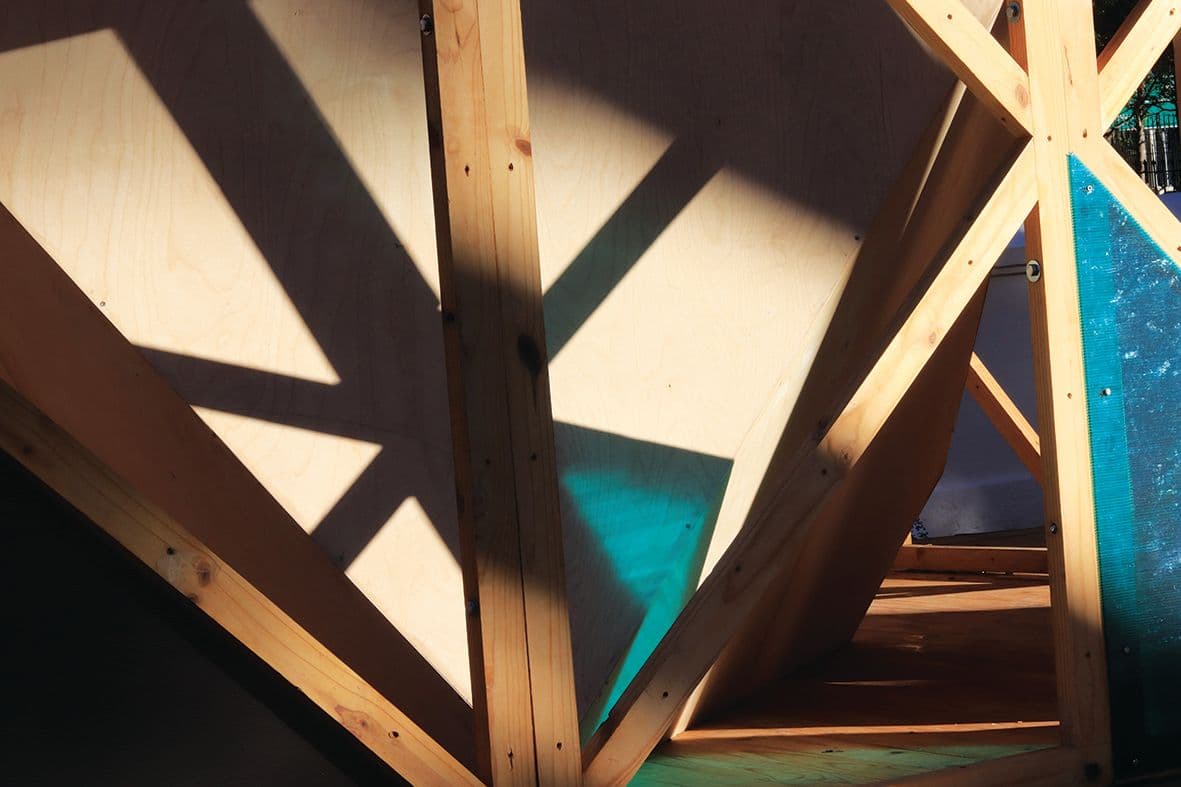
U406 , now at Iziko Bertram Parking lot, and it’s previous iterations like Thabana ya Dafida, proposes ambivalence to the important work of redress, contestation, fugitivity and creativity. It attempts instead to ask “what kind of space do I want?” and devotes its energy towards recovering an ability to build period. To recognise that it is only by building new building, that news types of expressions can flourish. —defunct context hopes to remind us that an impulse to build is not standard, and we should cultivate it vigorously.
Taking advantage of art’s use of the format of a Pavilion; the ease of working timber; and the liminality of a parking lot. —defunct context takes the Msinsi tree, catalogued U406 as an anchor point, acknowledging its many associations, like new beginnings, fire, and more interestingly, a final resting place for dingaka.
Over the next months the pavilion will morph towards a camera obscura installations, inviting and accepting interventions. From simply occupying it as a space of pause, play or rehearsals; an artist studio and so forth. At the end it is the curiosity of its public, whom ever they might be, that shapes it.
Publishing
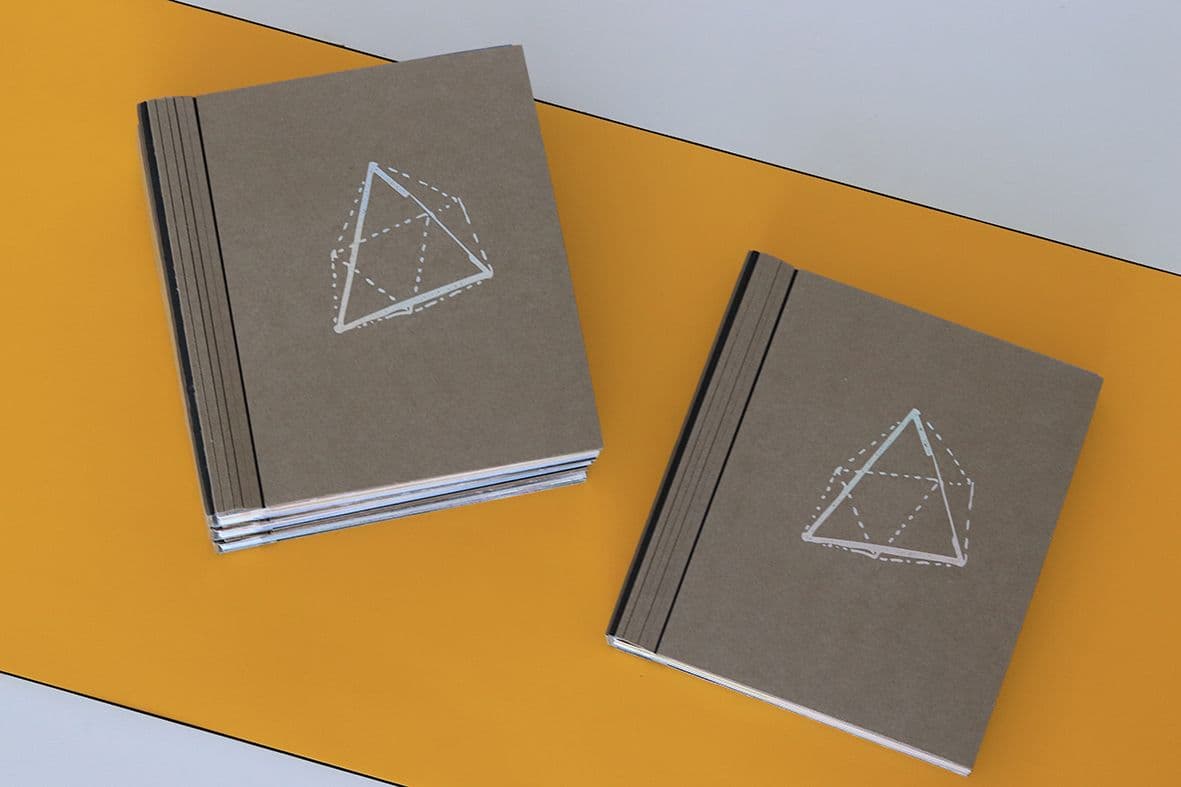
—defunct context: Ambivalence to important work’ explores the artist book and its assembly as a process of inscribing Mahashe's archive of practice as a physical dreamscape. As a monograph publication, it emanates out of Mahashe's practice over the last 15 years, focusing on his current project 'Pavilion Prototype I and II'. These projects draw from his work as convenor of the Anthropology Museum at Wits University (2018-2019) and his occupation of Iziko Museums of South Africa's Bertram House Parking lot (2021–). Mahashe is accompanied by Simnikiwe Buhlungu, Sumayya Vally, Ilze Wolf, MADEYOULOOK and Oluremi Onabanjo who contribute texts and intervene in the book’s form. The publication includes process work from the installation Camera Obscura #0 Thabana ya Dafida (2019-2020) at Ga-Sekgopo. It also features images from installations like Gae Lebowa (2010); Modjadji le Dikolobjana (2018-2022), Makhalaka (2021), Mabarebare (2012-2018); Camera Obscura #1-6 (2016-2018); and Photodump No.3. (2023). As well as images drawn from science institutions like ESO and NASA, including the famous image of a distant planet earth 'Pale Blue Dot' (1990) captured by the Hubble space telescope.